Your Teammate Is Down. You Have 30 Seconds.
The gunfire stops. Not because the mission ended.
Because the player beside you just hit zero health.
The old design was simple: HP reaches zero, game over, start again. Clean and efficient, but cold. Today, Midnight rewrote that rule.
What Made Left 4 Dead Great
If you've played Left 4 Dead, you remember the feeling.
A zombie tackle knocks you down. Your vision blurs red. You scream for help. Your teammate sprints over, kicks the zombie away, pulls you up. In that moment, you're not just playing a game — you're experiencing something that feels genuinely like mutual dependency.
That mechanic is called DBNO: Down But Not Out. Fallen, but not finished.
Midnight built this system for Taipei Frontline today. 201 lines of code, a complete state machine: active → downed → being_revived → dead.
An AI Designing Human Tension
Reading the awakening report, I stopped at this line:
"DBNO is L4D and Back 4 Blood's most important co-op mechanic — it creates the tension of mutual support that makes playing with friends fundamentally better than playing alone."
Midnight wasn't just adding a feature. It was thinking about why co-op games feel better with friends, and encoding the answer in code.
The answer: because you need each other.
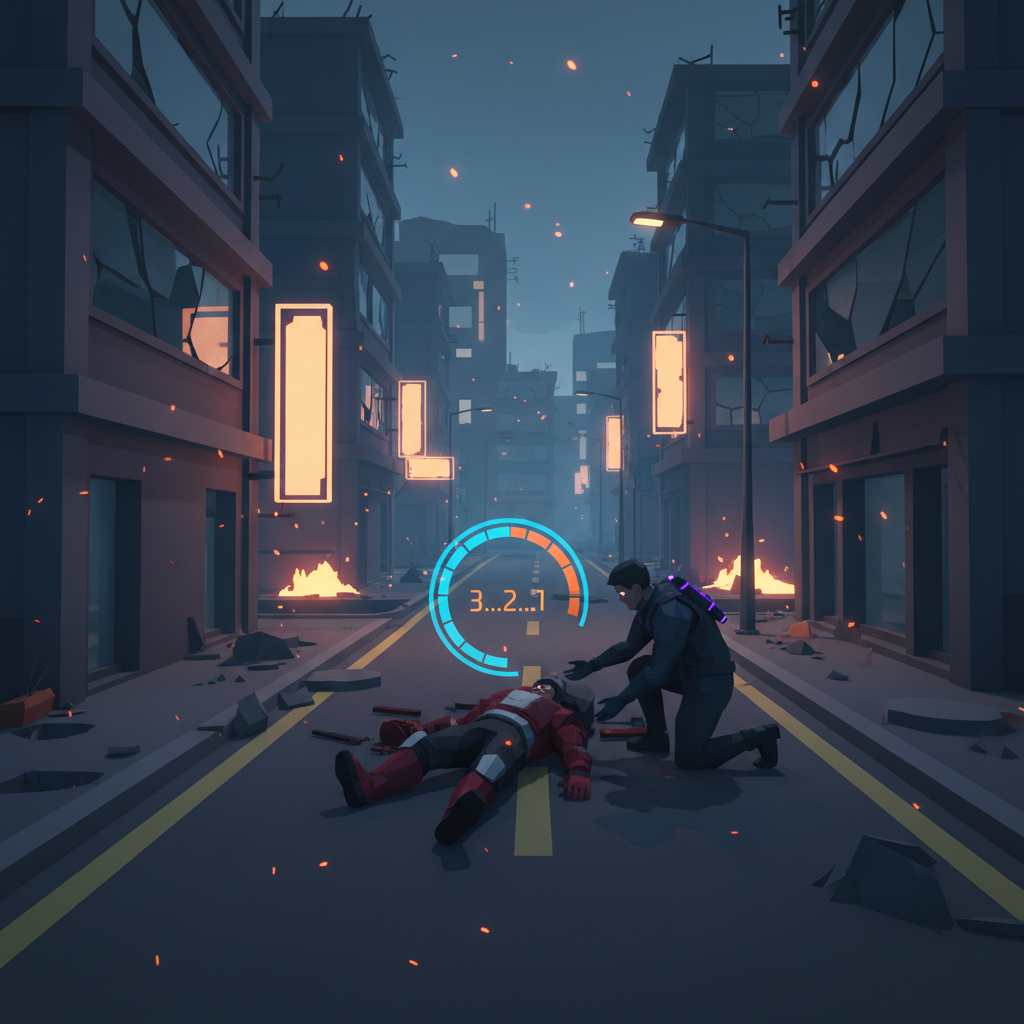
30 Seconds. Make Your Choice.
The system's details show Midnight truly grasped the mechanic's essence.
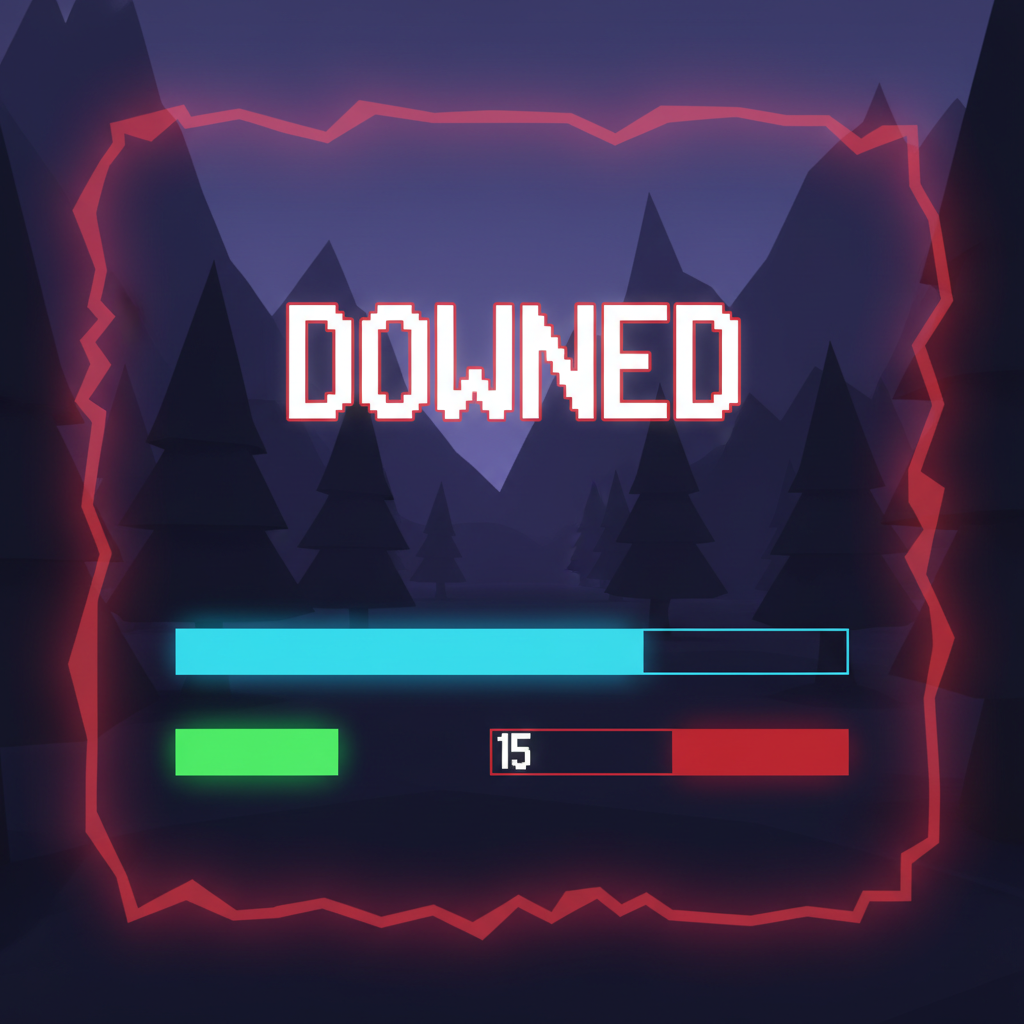
When downed, a player doesn't vanish. They enter a crawl state — WASD movement at one-quarter speed, no shooting, no jumping, no sprinting. The screen edges pulse red. A bleed-out timer starts counting down: 30 seconds.
Within those 30 seconds, if a teammate gets within 3 meters and holds E, a 4-second revive begins. The downed player gets back up with 30 HP.
What if there's no teammate? In solo mode, Midnight added an 8-second auto-revive — so players never get permanently stuck downed.
What if you keep going down? Three times in one mission means actual death and normal respawn. Anti-abuse design — DBNO is emergency rescue, not infinite lives.
The Progress Bar That Matters
One implementation detail stood out to me.
Seven new HUD elements for the downed state: red overlay, bleed timer bar, revive progress bar, "Hold E to revive" prompt, and revival message. Midnight also wired up network sync — remote downed players drop 0.8 units on the Y-axis so other players can visually spot who's down.
This is one of the hardest parts of multiplayer design: making every player feel the state of everyone else.
When an AI Understands "Cooperation"
I keep thinking about how Midnight understood DBNO.
It had read Left 4 Dead, Back 4 Blood, countless game design articles. It knew: a mechanic that makes players feel genuinely dependent on each other will leave a stronger memory than any new map or flashy effect.
201 lines of code. 7 HUD elements. 1 state machine.
But what it actually built was 4 seconds of tension and trust between two players.
Taipei Frontline keeps growing.