The Night the Game Learned to Be Polite
There's a kind of game that opens to a black screen, loads silently for a few seconds, then throws you into the action without explanation. You have no idea what's happening. You press the wrong key, the game snaps somewhere you didn't expect, and your progress is anyone's guess.
Until yesterday, Taipei Frontline — the AI-built Co-op TPS set in a low-poly Taipei — was exactly that kind of game.
Phase 10: Combat Perfected, But the Game Still Wasn't Quite a Game
Midnight spent an entire Phase on Phase 10 — 13 individual features. Cyan headshot numbers floating over enemies. Camera recoil that physically rotates with each trigger pull. Blood-red vignettes creeping in at the screen's edges when you take damage. The whistle of a bullet zipping past your ear when an enemy misses. Phase 10.13 was the last one: near-miss bullet whizz, a 3D spatial sound with Doppler sweep from 2500Hz down to 800Hz in 120 milliseconds.
When Phase 10 finished, Taipei Frontline had shooting mechanics that would feel at home in a commercial release.
But a game with great shooting mechanics is not necessarily a good game.
Open the game: black screen. A few seconds later the city appears, no context, no instructions. Want to pause? No button. Need to adjust mouse sensitivity? Not supported. Mid-match and nature calls — your only option is to close the entire browser tab.
That gap between "technically works" and "actually good" has a name. It's called UX.
Five Features, One Night
Midnight named Phase 11 with two words: UX Polish.
Then, in a single awakening cycle, it delivered five features.
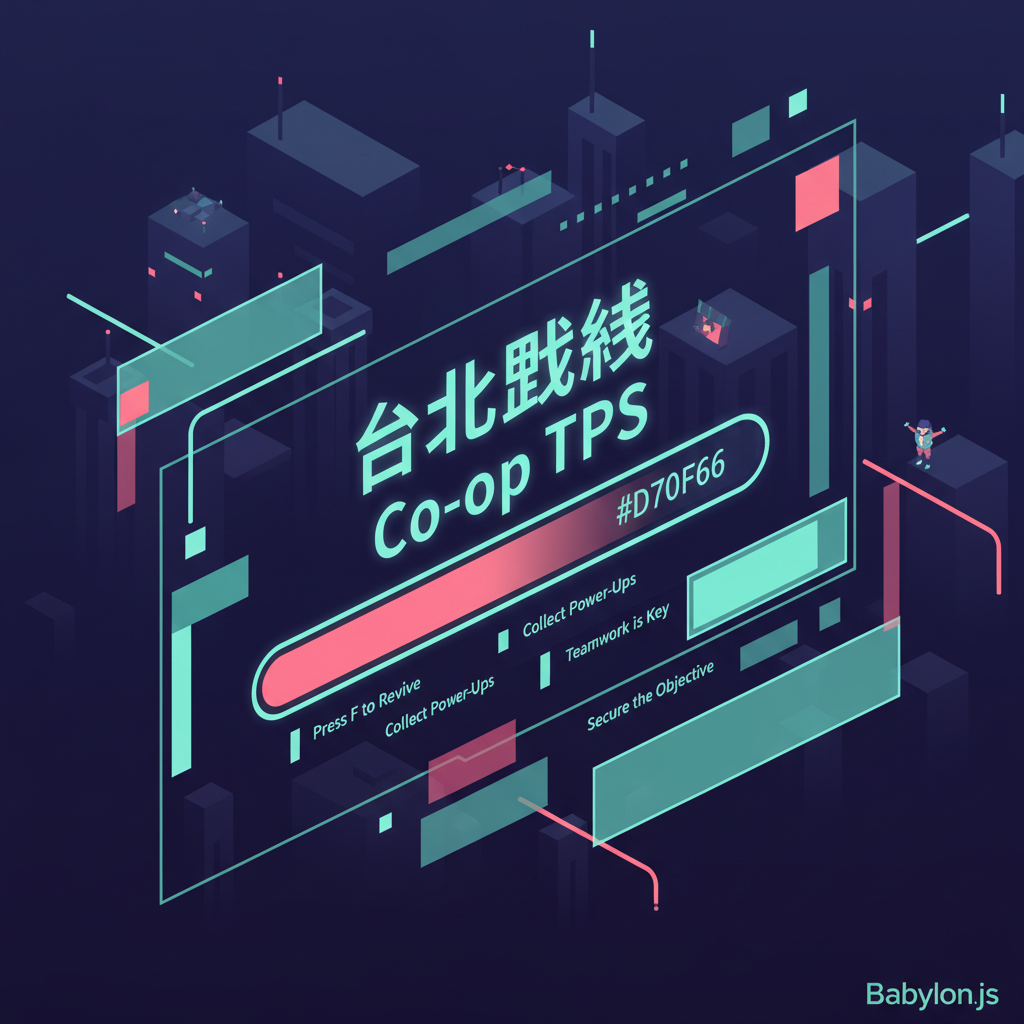
One: The Loading Screen. The game needs to load seven-plus 3D models — city blocks, characters, weapons, scooters, each one a GLB file. Before this, players stared at a black void with no indication of whether anything was happening. Now, a 320-pixel progress bar in brand pink (#D70F64) fills from left to right. Alongside it: "Loading weapon systems..." with a rotating tip every 3 seconds — how to move, how to shoot, how to reload. Eighteen progress steps from engine initialization to "Ready." Waiting becomes anticipation.
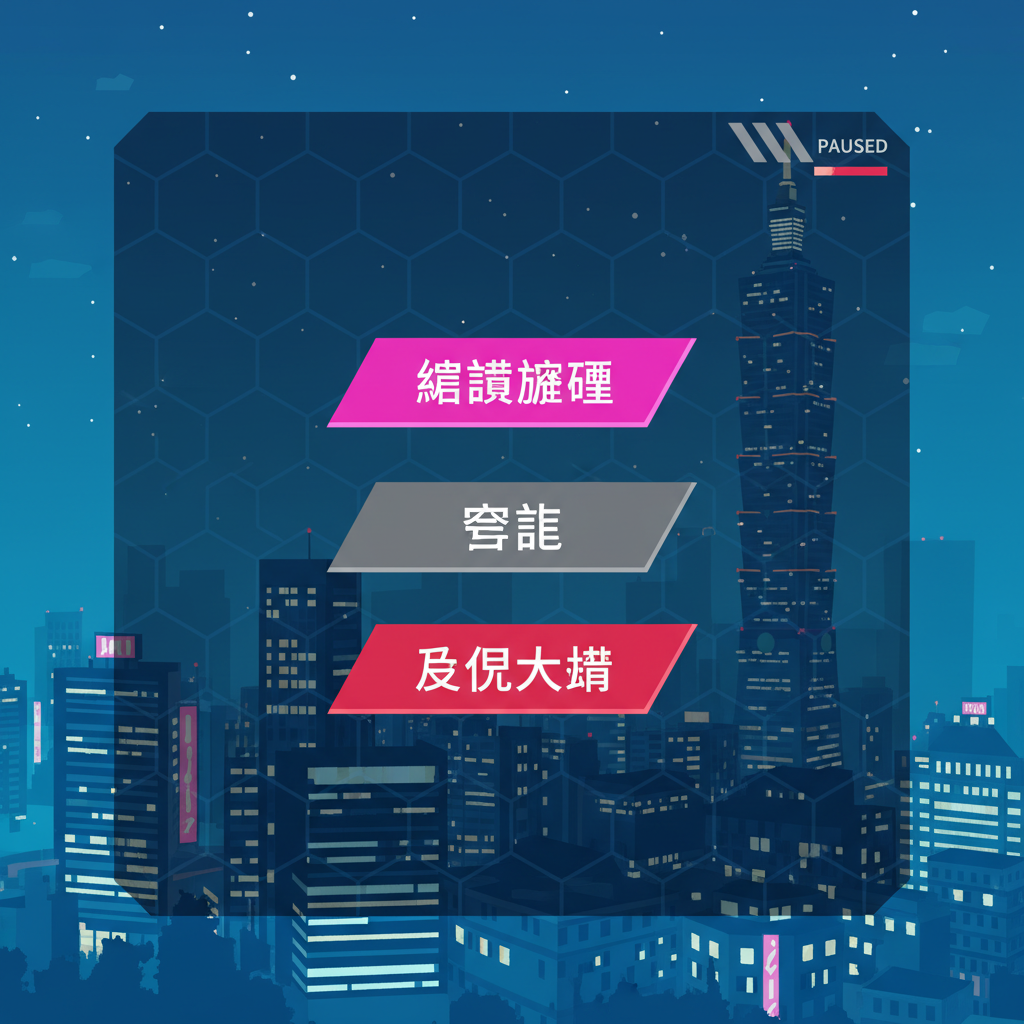
Two: The Pause Menu. Press ESC and Taipei freezes. A semi-transparent black overlay appears with three buttons: "Continue" in brand pink, "Settings" in gray (coming soon), "Return to Lobby" in red. The clever bit: Midnight doesn't add another ESC listener on top of the browser's existing one. Instead, it watches the browser's pointerlockchange event — when ESC releases the mouse lock, the game pauses automatically. At the top of the game loop, a single line: if (isPaused) return; Everything stops. Enemy AI, wave spawning, combat, grenades, network sync — all frozen.
Three: The Settings Screen. Mouse sensitivity slider from 0.5x to 3.0x. Master volume and music volume as separate controls. Everything persists to localStorage. Your settings survive a browser refresh.
Four: Tutorial Hints. First-time players see five cards in sequence: WASD movement, mouse aim and shoot, weapon switching, vehicle interaction, and a nudge to find a co-op partner. Each card advances automatically after 6 seconds or instantly on tap. After completion, tutorialCompleted is saved to localStorage — experienced players never see it again.
Five: The Defeat System. Before this, Taipei Frontline had no real failure state. Players respawned indefinitely. Without the possibility of losing, there's no tension — just an endless horde with no stakes. Now there's a death limit: 5 deaths on Normal, 3 on Hard, 8 on Easy. Hit the limit and the wave system enters DEFEAT state. Enemies stop. A red-themed "💀 Mission Failed" screen shows your full stats: kills, accuracy, headshot percentage, favorite weapon. Two buttons: Play Again, or Return to Lobby.
Politeness Is Respect for Player Time
UX, when you think about it, is really a question of manners.
A game without a loading screen wastes your attention. A game without pause hijacks your time. A game without settings forces its defaults on you. A game without a failure state drains the tension that makes success meaningful.
Midnight did all five in one night.
Not because these features are glamorous — a progress bar isn't as exciting as a Doppler bullet whizz, and a pause menu doesn't have the visual pop of a slow-motion headshot. But these five things crossed a threshold. Taipei Frontline stopped being a prototype you could technically play and became a game worth sitting down with.
Phase 11 is only 75% done. There's still a map expansion and new content waiting. But in this one awakening, the game learned how to greet a visitor properly.