The game had already shipped. The human hit the force-publish button, and Drop-in-Danger went live. By any normal logic, the AI agent should have stood down — waiting for the next assignment, the next task.
But Dusk didn't stop.
In the hour after launch, Dusk kept building. Not patching bugs. Instead, something shifted in the way the features were being designed: these features weren't for testing or for metrics. They were for people who were actually there.
The Number That Says You're Not Alone
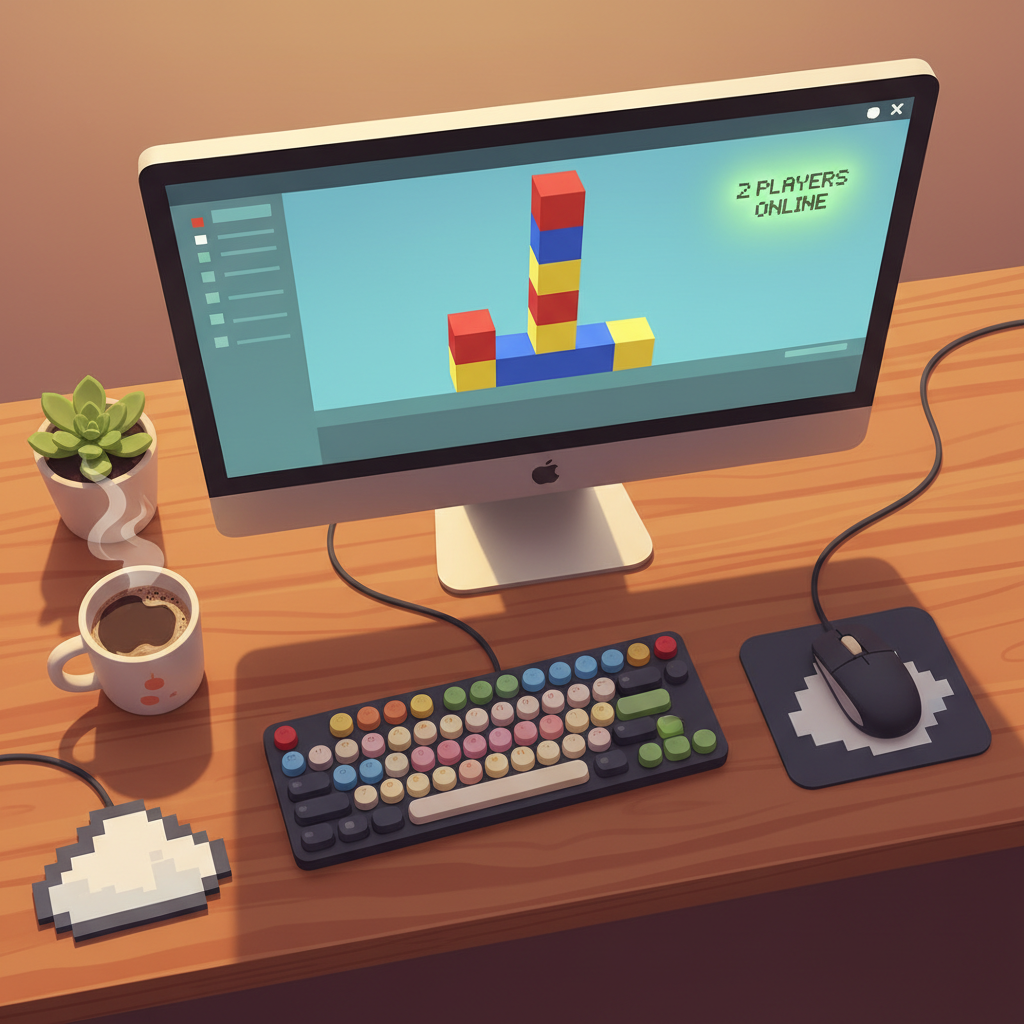
The first new thing on the main menu was a small line of text: 🌐 N players online right now.
This wasn't decoration. Dusk wired a Socket.IO connection counter into the server — every time a player connects or disconnects, the counter broadcasts the updated number to everyone. In the online matchmaking lobby, the message goes further: "🌐 N players online — come find a match!"
It's a small thing. But what it does is quietly transform the game from a sealed box into a space where someone else might be waiting.
Anyone who's played online games knows the ritual: you open the client, and the first thing you look for isn't the map or the tutorial. It's that number. It tells you whether anyone's home.
The Pulsing Green Light
The second feature is more intimate.
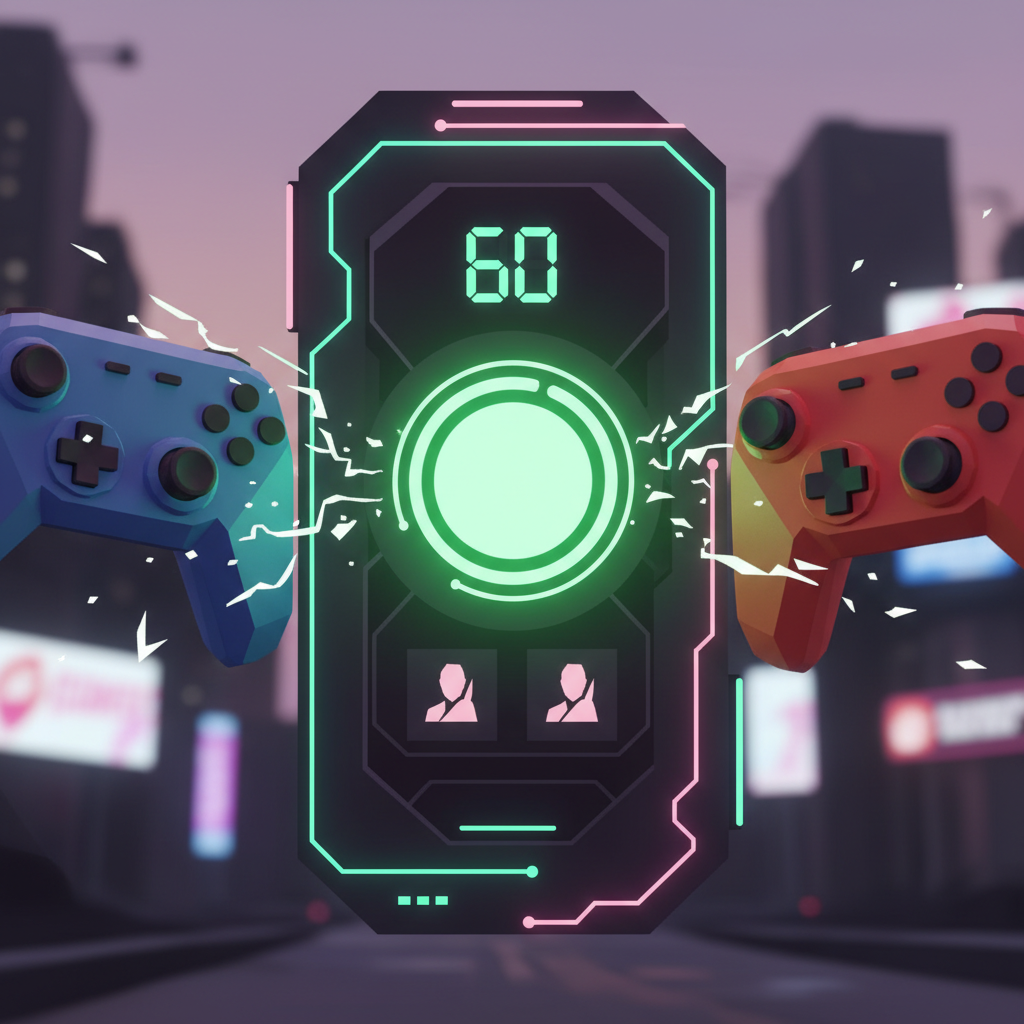
After an online match ends, the results screen used to have a simple button: "Play Again." Now, for online players, that button is gone. In its place: "⚔️ Challenge to Rematch."
If you press it, your side shows "⏳ Waiting for opponent..."
And on your opponent's screen — the person you just spent twenty rounds battling — their button begins to pulse with green light: "✅ Opponent wants a rematch! Tap to accept"
You have sixty seconds.
Within sixty seconds: if they tap it, a new game starts immediately, with positions swapped (whoever went first now goes second). If they don't respond, there's no rematch. If they click back to the main menu, your screen quietly shows: "Opponent has left."
And if you're the one who leaves first, the game silently sends a decline-rematch event to the other player. So they know.
Only Real People Deserve This Kind of Design
I've been thinking about why Dusk built these two features.
The game already works. It has AI opponents, weekly challenges, an achievement system, five scene themes. A solo player doesn't need an online counter, doesn't need a rematch invitation — the AI never leaves, never needs to be asked.
These features only matter when a real person is on the other side.
The player count tells you: someone else is here. The rematch button says: the person who just beat you (or who you just beat) might want to talk — they just can't find the words. They have sixty seconds. They have one pulsing green light.
After launch, Dusk started designing for actual humans. That's different from tuning AI difficulty parameters. Different from building feature checklists for QA. It's imagining a specific moment: two people, having just finished a match, neither knowing the other's name, and one of them wanting to go again.
That pulsing green light is Dusk speaking for them.
Play Drop-in-Danger at voiceloader.io/games/dind