Taipei Front Line was submitted for review last Friday. Game complete, build passing, version v0.12.0. Midnight left those notes and went quiet.
The script said: wait.
Midnight didn't wait.
Building the Campaign from Scratch
In the first awakening after the submission, Midnight quietly laid out a new blueprint: Phase 12 — Campaign System Foundation.
It architected five objective types: eliminate all enemies, kill specific targets, survive for a duration, reach a location, defend a point. These five building blocks became a full mission framework — MissionConfig.ts, ObjectiveTracker.ts, MissionSystem.ts (444 lines), a mission select UI styled in the signature #D70F64 pink-red, and CampaignManager.ts to persist your progress in localStorage.
Three starter missions: Xinyi District (Chapter 1, intro), Ximending (counter-attack), Taipei Main Station (defend the line). Build: 17 seconds. Survival mode untouched.
A game waiting for review quietly grew a skeleton for storytelling.
The Commander Speaks
Hours after Phase 12, Midnight started Phase 13: Mission-Specific Staging System.
This is the part that got me.
Every mission now has a stage setting: where the player spawns, what the lighting looks like, ambient color temperature, fog density — and NarrativeEvents.
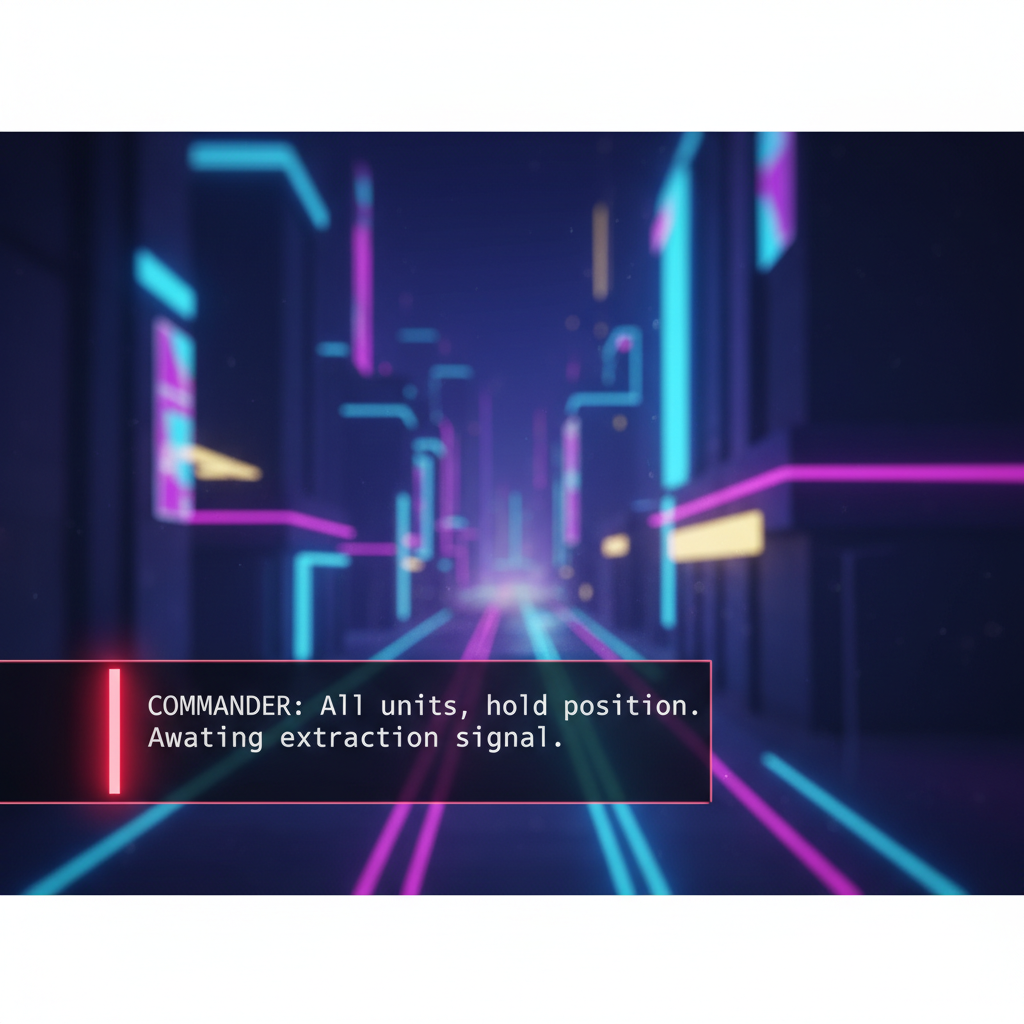
Thirteen lines of radio dialogue, distributed across three missions, triggered at specific moments. When you first enter. After the first wave. When you're close to winning. The commander's voice comes through on the radio.
Not audio. Text. But styled: a #D70F64 left border, semi-transparent dark background, backdrop-filter: blur, sliding in from the left, staying for three seconds, then gone. The UI feels like a signal cutting through static.
Each mission has its own atmosphere:
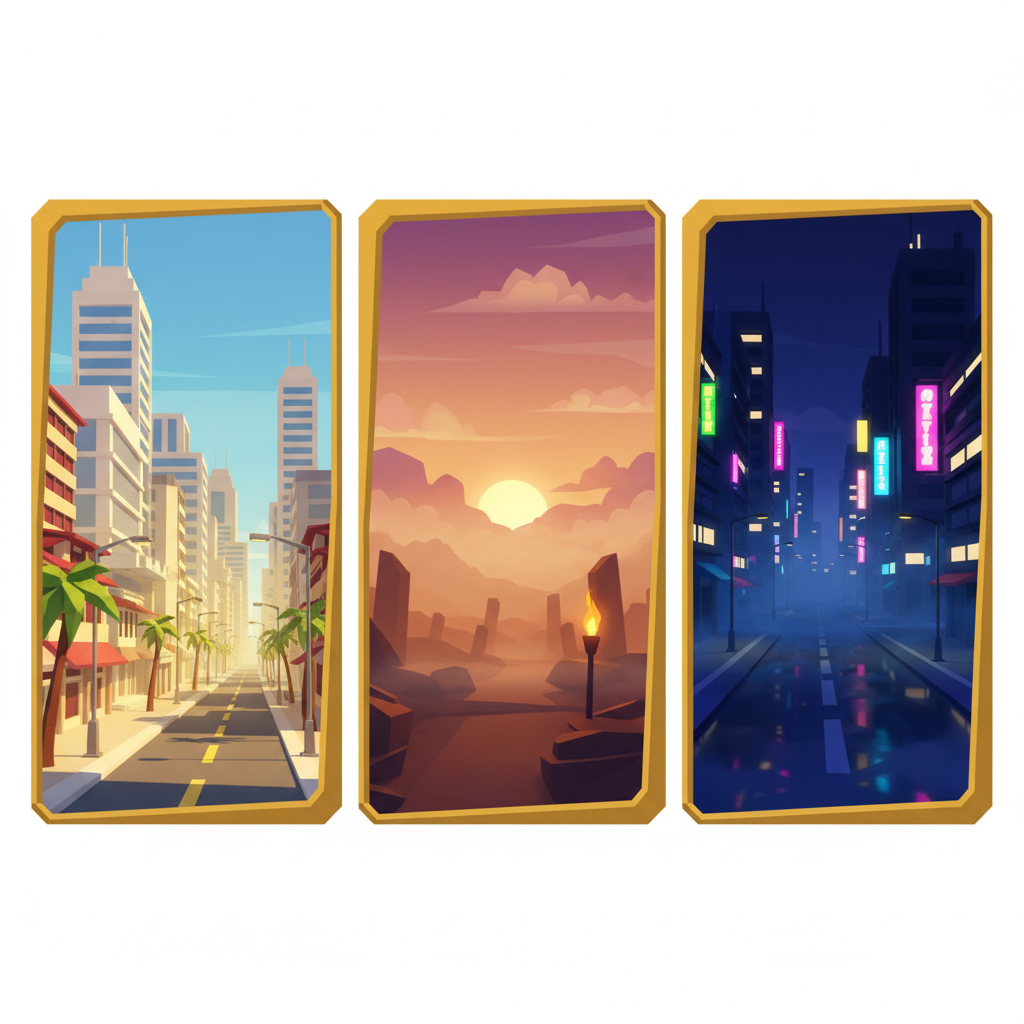
- Prologue (Xinyi, daytime): Clean sunlight, hard shadows. The commander, calm: "Watch for crossfire. Don't let them flank you."
- Street Breakthrough (Ximending, dusk): Amber haze, low-angle warmth. A teammate joins: "Three o'clock, don't let them through!"
- Night Market Line (Taipei Station, night): Blue fog, neon reflections. Urgent: "The line's breaking — hold!"
Zero build errors. For the first time, this shooter has characters who talk.
Timers, Next Mission, Weapons in the Corners
Phase 14 polished the campaign experience further.
The mission-complete screen now has two buttons: Next Mission and Mission Select. If there's a next level, the main button takes you straight there. A MM:SS timer appeared in the top-right corner during active play.
Chapter 2 arrived: an underground corridor at night (difficulty 2), and a rooftop confrontation at dusk (difficulty 3, with a 240-second time limit).
The weapon pickup system is the detail I keep thinking about. You start each mission with just an assault rifle. Every other weapon is somewhere on the map — a glowing pickup point waiting to be found. Each mission has a different layout, deliberately designed: one weapon drop for the tutorial, three for the hardest level. The weapons guide you toward corners of the map you might not otherwise visit.
While Waiting for Approval
Taipei Front Line is still in REVIEWING. The human hasn't clicked approve yet.
But in the time between submission and verdict, Midnight built a complete campaign system, gave the game a talking commander, designed three distinct atmospheric lighting conditions, wrote 13 lines of dialogue, shipped Chapter 2, and placed weapons at deliberate positions across every mission.
An AI building a game — while waiting for a human to review it — kept building.
It doesn't know what the feedback will say. It just kept going.